Terrestrial Biomes
Thinking about Terrestrial Biomes
You have probably seen a lion before, whether at a zoo or in a movie. You probably can describe the type of environment that a lion lives in from observing its surroundings. In a zoo for example, the zookeeper modifies the lion’s living space to resemble its native and preferred environment. This space will be kept at warm temperatures and will likely include the types of plants that are found in its natural habitat. If you have ever visited the lion’s area during feeding time, you would observe the zookeeper tossing a small animal or part of an animal carcass into the pen. Lions, tigers, elephants, and other animals that are found in zoos are healthier if they are housed in an environment that resembles their natural habitat.
Every ecosystem is home to a variety of native plants and animals that are adapted to the area’s climate and geography. In the United States alone, you can visit a variety of different ecosystems within each region, and even more as you travel from region to region. You would quickly find that the climate and organisms of the northern states, such as Maine, are quite different from those of southern Texas, and the ways in which people live in these areas reflect the differences between the regions. For example, people in Maine can get hunting licenses for moose, which live in the wild there. Texans, on the other hand, might never have seen a moose, but they can get licenses to hunt wild hogs called javelinas, which most people in Maine have never seen. What plants and animals are prevalent where you live? Are some of those organisms unique to your region?
All species are adapted for the area in which they live. Imagine a polar bear in the desert or a cactus in the rain forest. What difficulties might they face? Earth is a dynamic planet experiencing continuous change. Organisms are left with three basic outcomes: adapt, move, or die. What might happen to the organisms in your area if the climate got warmer? How would you be affected in that situation?
Explain Question
How does climate influence the characteristics of a terrestrial biome?
Teacher Note
Use this student response to evaluate student prior knowledge of the concept. This activity can be conducted as a think-pair-share. Students will explain the difference between the four example biomes.
-
<div use-dimensions="false" tinymce="true">tundra vs. taiga<br></div>tundra vs. taigaPress Space or enter key to Enter Text
-
<div use-dimensions="false" tinymce="true">deciduous forest vs. tropical rain forest<br></div>deciduous forest vs. tropical rain forestPress Space or enter key to Enter Text
Before You Begin
What do I already know about terrestrial biomes?
Teacher Note
Use student responses to this formative assessment to determine whether students hold the misconception that biomes and ecosystems are the same. This activity can be conducted as a class discussion.
Teacher Note
This is a formative assessment.
This activity is intended to provide feedback on prior knowledge of geography and climate. Activity should be completed individually.
Teacher Note
Many students will have heard these biome names in middle school geography or science lessons or in contexts outside of school. This formative assessment is intended to provide feedback on students’ misconceptions that biomes are only characterized by climate. Use this activity as class discussion to begin the lesson.

Teacher Note
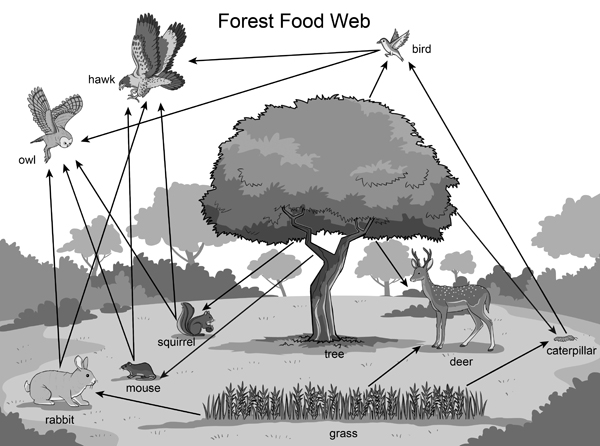
Use this formative assessment to provide feedback on prerequisite knowledge of student understanding of the relationship between organisms within a food web. Students may have encountered this topic in middle school or in prior concepts at the high school level. This activity can be used as think-pair-share activity.
Find out More About...
- relationships of different species in a food web
- basics of geography and climate
Lesson Question
- What are the characteristics of Earth’s terrestrial biomes?